
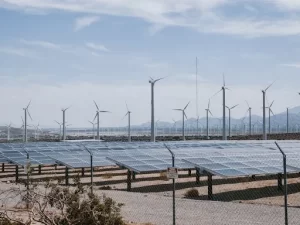
Solar power is a natural choice. The world needs to seek out sustainable energy sources, and it could do worse than with up-to-date credential papers in hand. A solar power system is thus built around a lithium iron phosphate solar generator that directly convert sunlight into electrical energy. How do they work? This article exposes the miracle of solar cells. In this way, we will use sunlight through them to charge the batteries in our houses and factories.
The Basics Of Solar Cells
It is important to understand what solar cells are:
A. Photovoltaic Phenomenon
Some materials generate electric current when exposed to sunlight–a photovoltaic effect. As a semiconductor, silicon is the most commonly used material in solar cells.
B. Structure Of Solar Cells
Solar cells are made of layers of semiconductor materials. The top undergoes treatment to cause the release of electrons on exposure to light, and the bottom is treated for collection. There will be an electric current, so conditioned.
How Solar Cells Generate Electricity
Let us know how solar cells generate electricity:
A. Absorption Of Sunlight
The face of a solar cell exposed to light is bombarded by sunlight, which knocks electrons out from their position in silicon atoms.
B. Creation Of Electron-Hole Pairs
Each electron shot out will damage an undoubtedly charged hollow inside the silicon. It is how electron-hollow pairs are produced by splitting the costs. After this, they produced an electric-powered cutting-edge.
C. Movement Of Electrons
The electric subject is switched on, and excited electrons are moved. The electrons drift downward toward the mobile’s bottom layer in this field.
D. Electrical Current Flow
As long as electrons are in motion, there is an electric-powered present-day. It may be used as a power source. It is the important step whereby solar cells rework daylight into strength.
Efficiency And Advancements
The efficiency and advancements of solar cells are listed below:
A. Improving Conversion Efficiency
Another obstacle to improving the solar mobile era is improving conversion performance. If we can discover a manner to increase the ratio of light that turns into electricity powered in this style, solar electricity will become inexpensive and broadly used. It is a place where scientists are constantly studying.
B. Emerging Technologies
In recent years, advances like perovskite solar cells and skinny-movie technology have allowed for better efficiency at lower cost. These tendencies ought to increase the variety of possible applications for solar strength.
Applications And Impact
Here are a few applications and impacts of using a solar cell:
A. Residential Solar Power
Solar mobile turbines are widely used in residential packages as an environmentally pleasant energy source. Now, you notice solar panels on rooftops in many communities.
B. Industrial And Grid Applications
Solar energy, except for residential utility, likewise makes inroads into industrial and grid-scale use. The era of smooth electricity on a grand scale, reducing our reliance on fossil fuels, is the role that huge solar farms play.
Conclusion
If someday we are to realize the power of solar energy, then understanding how it functions is necessary. Technology will continue to improve, improving solar cells’ efficiency and affordability. A future bright with clean energy is not yet beyond our dreams. Considering sunlight to transform our homes and industries, solar cells are the key to a cleaner and greener new era.