
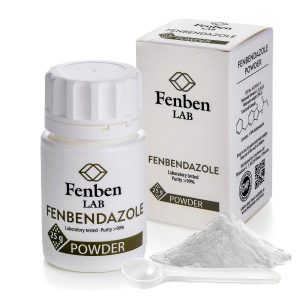
Discovered in 1974, Fenbendazole, an antiparasitic agent, has been steadfast in its global usefulness. Predominantly found in the realm of equine care, it also significantly contributes to the veterinary treatment of our beloved cats and dogs. Across various nations, it’s a go-to remedy for fighting off pesky tapeworm invasions in dogs and cats.
Beyond its prevalent use, Fenbendazole also flexes its muscles against a spectrum of parasites, both of the lurking external kind and the hidden internal variety. Among its portfolio of victories, it holds a firm line against Giardia infections. A sigh of relief for expectant mothers, this medicine is safe for use during pregnancy. Even those who are in close contact with a treated pet can rest easy, as Fenbendazole is notoriously resistant to being absorbed through human skin.
Administering this versatile drug, a veterinarian can choose between oral or topical applications, tailoring the treatment to the particular patient and the specific type of infestation. It’s an unyielding adversary to parasites, impeding their ability to draw nourishment from their host, and throwing a spanner in their locomotive works.
Fenbendazole hails from the family of benzimidazoles, a cadre of drugs noted for their antiparasitic prowess. Commercially, it parades under multiple brand banners, such as Panacur, Vermox, and Nemex, extending its reach in the fight against parasitic invasions.
How Does Fenbendazole Powder Work?
Fenbendazole powder operates in a somewhat predictable yet fascinating manner. It cunningly disrupts various metabolic pathways that are the lifeblood of parasites.
Much like its anthelmintic peers, fenbendazole starves the parasites of vital resources such as glucose and amino acids. Moreover, it meddles with the metabolism of certain lipids and proteins which intestinal worms rely on to produce essential nutrients, including vitamins and fatty acids.
Renowned for its combat skills against tapeworms in horses, dogs, and cats, fenbendazole doesn’t stop there. Thanks to its broad-spectrum nature, it extends its influence to other parasitic relatives, proving especially effective in tackling mixed infestations of intestinal parasites.
What Side Effects Can Fenbendazole Cause?
The misconception that all anthelmintic medications are inherently dangerous is widespread. On the contrary, the most potent treatments, like fenbendazole, are those that subtly mimic healthy hormonal and metabolic processes within the host animal.
Of course, like any drug tasked with eliminating intestinal worms in our cats and dogs, fenbendazole carries the potential for certain side effects. But, veterinarians have the expertise to determine the appropriate dose for each patient and provide guidance on the safe storage and disposal of any leftover medication.
Important to remember is that the side effects of fenbendazole are typically minor and manageable. Most pet owners are equipped to handle these inconveniences without needing to rush to a veterinarian. However, should you suspect an allergic reaction in your pet to fenbendazole, do not hesitate to contact your vet immediately.
A common side effect of using fenbendazole is a decrease in appetite. Many dogs will eat heartily before starting this medication, and their voraciousness tends to bounce back after the treatment course is over. If your furry friend starts turning up their nose at food after a day or two of treatment, this could be due to a temporary loss of appetite or mild stomach discomfort caused by the medicine. Many pet owners even notice an uptick in their dogs’ food intake once the medication regimen kicks in.
There might also be bouts of diarrhea, vomiting, or nausea, with vomiting possibly persisting even after stopping the medication. In case you notice your pet struggling with their breathing, contact the vet without delay.
It’s also worth noting that fenbendazole can be absorbed through the skin, so discourage your pet from licking or chewing on their paws or legs after administering the drug. The drug can also be inhaled if your pet accidentally sniffs the powder from another surface, similar to many other medications.
How Should You Administer Fenbendazole to Your Pet?
Though human-friendly, fenbendazole requires careful handling. It’s crucial for everyone in contact with your pet, including veterinarians, groomers, or boarding kennel personnel, to wear rubber gloves when giving this medication. Additionally, a thorough hand wash is advisable before and after petting your animal friend.
Fenbendazole is typically served up in carefully measured doses, usually as a single dose to prevent accidental overdosing. Pet owners must bear in mind not to convert the medicine into a liquid form unless explicitly advised by their vet.
An increase in your pet’s weight during treatment is a usual occurrence – it’s just fenbendazole doing its job!
Where Should Your Pet Stay Post-Treatment?
Post-treatment, it’s wise to ensure your pet has access to fresh water for at least an hour after they stop taking fenbendazole. This helps flush out any remnants of the medication that might linger in their stomach. As your pet might find it difficult to relieve themselves right after stopping fenbendazole, try to keep them home during this period.
Additionally, it’s prudent to keep your pet away from other pets who haven’t undergone their medication routine. And, remember to prevent them from licking or chewing on any outdoor plants or flowers.
How Long Does Fenbendazole Stay in Your Pet’s System?
It typically takes a solid three weeks for most dogs and cats to fully purge the anthelmintic medication from their bodies after discontinuing its use. Even if the treatment was initiated at the first sign of symptoms, a cat might need up to four weeks to be completely rid of the worm.
It’s paramount to ensure your pet receives their full dose, especially when tackling an infestation. You may want to wait a month or two before starting heartworm prevention, allowing your pet to adjust to the medication.
This substantial duration is why it’s vital for your pet to have a check-up with their vet four to six months post-treatment, ensuring they haven’t fallen sick again. The odds are in their favor – over 95% of pets that are clear of roundworms after four weeks remain so. However, there’s a slim chance they might get reinfected.
The Safety and Possible Side Effects of Fenbendazole
Keep in mind that it might take a while for the anthelmintic to evict all worm eggs from your pet’s system, so be ready to manage any emergent symptoms.
Fenbendazole carries three major potential side effects you should be mindful of: death, blindness, and sudden death syndrome. Each of these can be discerned quite clearly, either individually or occurring simultaneously. Initially, you may notice discomfort stemming from your pet’s system attempting to metabolize the treatment. This could manifest as vomiting, diarrhea, growth of polyps in the anal and rectal area, and panting. If your pet displays signs of restlessness or anxiety, this should alert you that something could be off.
If these symptoms persist beyond a day or two, or intensify to the point of causing distress, it’s time to consult a veterinary professional. Based on the symptoms, they should be able to evaluate your pet and provide a diagnosis. Even if symptoms appear mild initially, they can rapidly escalate if neglected for too long.
Should you observe any further signs hinting at kidney disease in your pet, immediate veterinary attention is required. You can detect these by closely observing your pet’s behavior and noting any shifts in their normal activities. These changes could encompass increased urination, general restlessness, or an unusual surge in aggressiveness.
While treatments do exist for kidney failure in dogs and cats, it’s critical to know that not all cases can be resolved spontaneously. If the condition isn’t arrested within a few days or weeks post-diagnosis, your pet may require dialysis therapy down the line.
How Effective is Fenbendazole as an Anthelmintic?
Fenbendazole boasts a stellar reputation as one of the top-notch treatments for tapeworms. It doesn’t stop there – it’s also potent against other parasitic worms like hookworms and roundworms. And, in uncommon cases, it even puts up a good fight against certain multidrug-resistant organisms.
Small pets, like dogs and cats, can particularly benefit from the high efficiency of fenbendazole in eliminating parasitic worms. As the medication can be given either orally or topically, vets can easily identify infestations and propose the right treatment plans. In dogs and cats, the drug can conveniently be applied on the skin.
How Long Does Fenbendazole Take to Show Results?
Buy Fenbendazole starts working its magic within two to six days in dogs and cats, but this can vary based on your pet and their inherent defense mechanisms against parasites. Most situations will see clear signs of improvement a few days into the treatment. However, certain stubborn cases might not be fully resolved even after eight days of fenbendazole administration. Your vet will guide you on the expected timeframe for your pet to be completely free of parasites.
As one of the safest and most potent solutions for intestinal parasites, fenbendazole works by depriving parasitic worms of essential nutrients, leading to their demise.
Maintaining a parasite-free pet is crucial, but equally important is following your vet’s advice to the letter. Stick to their recommended medications and adhere to the specified safety guidelines for fenbendazole powder. This will ensure your pet is kept safe from harm and accidental medication ingestion.
For more information on Fenbendazole, you can visit: Fenbenlab’s Fenbendazole Powder