
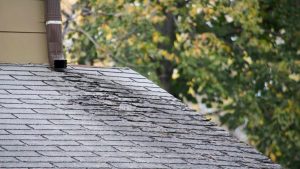
It’s the bane of any homeowner’s existence – the dreaded roof leak. One moment, your home is in perfect condition and protected from unpredictable weather; the next moment, you are looking for buckets to catch dripping water and wondering when it’s all going to end. But don’t worry. While a leaking roof can be more than a mouthful of trouble, we’re here to make sure you know exactly how to handle this common obstacle with ease so that, before long, your roof will be singing like brand new (at least metaphorically). So read on to learn the steps to take when your roof is leaking.
Move Things Out
When your roof is leaking, it seems like the entire world has shifted on its axis. Your first and most important step should be to move any furniture, rugs, and other items from the area. It’s a good idea to set up some plastic sheeting along the edges of the furniture and create a ‘zone’ where nothing else can enter – including water. Allowing yourself plenty of time to move things around will give you peace of mind that nothing will get soaked up or ruined.
Catch The Water
If you’re the proud owner of a leaking roof, don’t panic; it’s not the end of the world (at least not yet). The first step is to locate and catch the water, via buckets or other receptacles, that could be accumulating in your home. You should set out as many catching devices as possible to minimize any further damage and contain the mess. A good tip is to place a ‘leak alarm’ device where it can easily detect any pools of water from accumulating on your floor areas – this may give you an advanced warning for quicker corrective action.
Locate The Source of the Leak
You should consider “finding the needle in the haystack.” Have no fear, though, as locating the source of a leak might not be as daunting as it seems. Your best bet is to grab yourself a flashlight and climb onto your roof or into your loft space if accessible. Once you have identified where on the roof or in the loft space your leak might be coming from, make sure you mark that spot with something like chalk so that you can easily identify it when making any necessary repairs.
Assess The Damages
After You’ve located the source of the leak, inspecting and assessing the damages caused by a leak is critical to keeping your beautiful home in top shape. The extent of the damage should be analyzed, so keep your eyes peeled for water stains and discolored areas in and around your attic, ceiling, and walls. Mold, rotten wood rafters, drywall, and insulation can start developing after just a little bit of water damage – left unsealed for too long, that is. If this happens, these issues can become expensive repair jobs and will likely require professionals.
Seal The Leak
The most important thing? Sealing the leak. As soon as you detect where the water is seeping in, take steps to secure the area and seal it off. From patching to caulking, a little DIY know-how goes a long way when it comes to stopping your roof from leaking. Before you know it, clear skies will be on the way.
Call In A Professional
They’ll be able to further track down where the leak is coming from and will have top-notch tools and materials to get it sorted out in no time. Whether your roof needs repair or reupholstering, experts can provide a comprehensive assessment of the situation and recommend a cost-effective solution. And if you don’t take care of any existing issues now, they could turn into something much bigger further down the line – and that’s something nobody wants. So give those roofing pros a ring right away and keep your home nice and dry.
Taking care of a leaking roof isn’t easy or fun, but it is necessary to maintain the integrity of your home and prevent further damage. Attempting any repairs yourself can be dangerous – we recommend hiring a professional roofing contractor to ensure your roof is repaired right the first time, and with high quality materials. It’s also crucial to keep up-to-date with regular maintenance to prevent roof leaks in the first place. Hopefully, these steps helped provide some clarity on what approaches are most effective when your roof is in need of repair.