
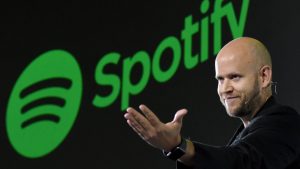
Not long ago, people needed to jump through many hoops just to listen to their favorite music. Before anyone knew how to upload music to Spotify, physical media and radio were the only real methods of accessing most songs and music. Once the streaming giant hit the scene, audiophiles the world over could hear top tunes and classic songs to their heart’s content. Here is a quick look at how Spotify came to dominate the musical marketplace, and what that means for listeners and artists everywhere.
Problems with Piracy
In the early 2000s, the music scene was rife with piracy. From torrent transfers to Napster downloads, many listeners were taking advantage of the digital revolution to get their hands on free songs quickly and easily. Daniel Ek and Martin Lorentzon envisioned a startup that would help curb this problem by creating a format that made listening to music more convenient than pirating would be.
Instead of depriving artists of royalties and costing the music industry millions each year, the Swedish natives launched Spotify in 2008. With a freemium business model, customers could tune in to a variety of stations and AI-cultivated playlists with limited commercial interruptions, with the hopes that a small £10 fee would entice potential patrons to pay for ad-free listening. Once they let artists know how to upload music to Spotify, they could monetize their songs and leave their piracy worries behind.
Rise of the Rivals
Spotify became an overnight success, and for good reason. From casual listeners to intense audiophiles, the service gave everyone access to a wealth of audio media that cost patrons little to nothing. Eager to get in on the action, other corporations and intuitive app designers came forward to create some real competition for the burgeoning streamer. These include:
- Apple Music: In 2015, Apple expanded its iTunes offerings to include a monthly subscription that offered access to its entire library, additionally signing exclusive deals with major artists such as Drake and Taylor Swift.
- Amazon Music: With a cheaper monthly fee and higher fidelity downloads, Amazon has maintained its spot in the top three music streaming providers available.
- Pandora: Offering similar services as Spotify, Pandora’s customer base continues to increase despite having fewer popular songs than its competitor.
Regardless of these rivals, Spotify continued to increase its presence, making it easier for artists to upload music to Spotify and start reaping the benefits of the new platform. Since most of its competition doesn’t have equivalent libraries and resources, Spotify holds strong as a predominant music streamer in the industry.
Celebrity Controversy
It hasn’t been smooth sailing for all of Spotify’s history. There have been numerous roadblocks that have made it difficult for many artists to find a home on the platform. Back in 2014, Taylor Swift removed her entire back catalog from the service to shed light on how the industry values artists and the media they produce.
Swift was urged to do the same in 2022 when a host of other artists lifted their work from the library in an effort to make Spotify end its business relationship with controversial podcast host Joe Rogan. Initiated by Neil Young, other musicians that have shunned the company include:
- David Crosby and Stephen Stills
- Failure
- Nils Lofgren
- Joni Mitchell
- Graham Nash
While the company continues to support Rogan, it continues to come to terms with artists looking to make a statement about the music and entertainment industry as a whole. Even so, it remains a critical tool for artists to upload music to Spotify and get their work recognized by the service’s 195 million subscribers.
Forging a Future
Spotify hasn’t remained stagnant as its popularity has grown. With the aim of making it easier to play and share music, the service has adapted to incorporate a number of plugins that make searching for music and cultivating a personal library easier than with other applications. There are a wealth of options that allow users to customize the app, such as:
- Gestures: Control the app with a swipe of your finger.
- Notify: Posts alerts when favorite artists upload music to Spotify.
- CD Scanner: Easily add personal CD collections to playlists.
- HeyWhatsThatLyric: Sing along with your favorite songs.
- Joy: Adds voice and watch control.
As the app continues to grow and innovate the music streaming landscape, Spotify continues to build its impressive library and cater to its ever-increasing customer base. Now available in over 65 countries, the platform is the perfect place for audiophiles to listen to the world’s top tunes while providing artists with an effective and profitable way to share their music. Staying ahead of the competition, Spotify stands as an integral piece of the entertainment industry’s streaming zeitgeist.